
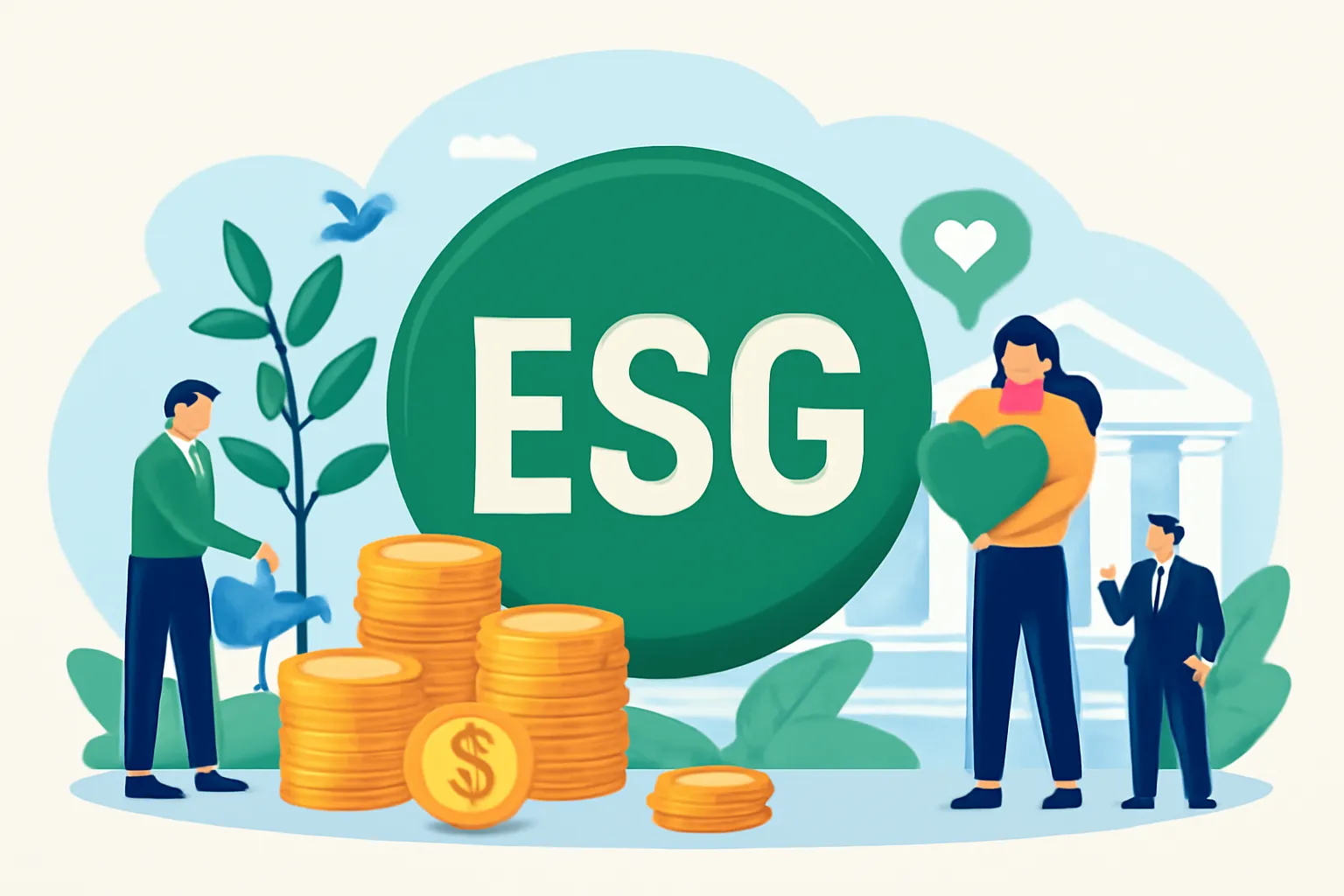
Socially Responsible Investing (ESG): The Ultimate Guide
Socially responsible investing—often called ESG investing, sustainable investing, ethical investing, or responsible investment—has moved from a niche to a mainstream approach shaping how capital is allocated. For investors, companies, and communities, this shift isn’t a fad. It’s a structural change driven by real-world risks and opportunities, including climate change, demographic transitions, governance failures, technological disruption, and evolving stakeholder expectations. This guide offers a comprehensive, practical roadmap to understand the core concepts, tools, strategies, and pitfalls of ESG and socially conscious investing so you can build portfolios that are both financially resilient and aligned with your values.
What Is Socially Responsible Investing?
In simple terms, socially responsible investing (SRI) means using both financial and non-financial factors to select investments. ESG—covering Environmental, Social, and Governance factors—is the most widely used framework for integrating non-financial criteria into investment decisions. While people often use SRI, ESG, and sustainable investing interchangeably, they emphasize slightly different angles:
- ESG investing: Integrates environmental, social, and governance data into analysis and risk management to improve long-term performance.
- Socially responsible investing (SRI): Traditionally focused on values and screening (e.g., avoiding tobacco, weapons, or fossil fuels).
- Impact investing: Targets measurable, positive social/environmental outcomes alongside financial returns.
- Sustainable finance: Broad term covering policies, instruments, and markets aligned with sustainability objectives.
Today, the lines blur. Modern responsible investment strategies often blend risk-based ESG integration with values-driven policies and active ownership through engagement and proxy voting.
Why ESG and Responsible Investing Matter
- Risk management: Climate events, supply chain disruptions, cyber breaches, and governance scandals can destroy value. ESG highlights these risks before they become losses.
- Opportunity capture: Transition to low-carbon energy, circular economy, sustainable agriculture, and inclusive workplaces can create new markets and efficiencies.
- Regulatory alignment: Disclosure standards and sustainable finance rules are tightening globally. Companies and investors that adapt early tend to avoid penalties and constraints.
- Capital costs: Strong ESG practices can reduce financing costs, improve credit ratings, and attract long-term investors.
- Reputation and talent: Customers and employees are increasingly values-driven; ESG leaders often enjoy brand loyalty and better retention.
The Evolution of ESG and Ethical Investing
Early socially conscious investment approaches date back to religious directives and avoidance of “sin stocks.” The modern ESG movement accelerated in the 2000s with the founding of Principles for Responsible Investment (PRI) and the spread of non-financial reporting frameworks. In the 2010s and beyond, climate change, corporate scandals, and social justice movements pushed ESG investing into the mainstream. Today, many institutional asset owners incorporate ESG policies across asset classes, and retail investors can access a wide range of ESG funds and thematic ETFs.
Core ESG Factors
Environmental (E)
- Climate risk: Scope 1, 2, and 3 greenhouse gas emissions, transition plans, and physical risk exposure.
- Resource use: Energy intensity, water stewardship, waste and circularity, raw material sourcing.
- Nature and biodiversity: Land use, deforestation, ecosystem impacts, and nature-related dependencies.
- Pollution and toxicity: Air and water emissions, hazardous chemicals, and remediation liabilities.
Social (S)
- Human capital: Safety, training, retention, work-life balance, and fair wages.
- Diversity, equity, and inclusion (DEI): Representation, pay equity, inclusive leadership, and anti-discrimination policies.
- Supply chain standards: Labor rights, forced labor prevention, and ethical sourcing.
- Customer welfare: Product safety, data privacy and cybersecurity, responsible marketing.
- Community impact: Local economic development, stakeholder engagement, and social license to operate.
Governance (G)
- Board quality: Independence, diversity, expertise, and accountability.
- Executive compensation: Alignment with long-term value and sustainability metrics.
- Shareholder rights: Voting structure, anti-takeover provisions, related-party transactions.
- Ethics and compliance: Anti-corruption, whistleblower protections, audit quality, tax transparency.
ESG Strategies and Implementation Paths
1) Negative/Exclusionary Screening
Avoid sectors or companies that breach certain thresholds—for example, tobacco, controversial weapons, thermal coal, or severe human rights violations. This approach aligns with values and mitigates specific risks, but may narrow diversification and exclude potential improvers.
2) Best-in-Class/Positive Screening
Select leaders within each industry based on ESG scores or targeted metrics (e.g., top quartile emissions intensity). This keeps broad exposure while favoring companies managing sustainability risks well.
3) ESG Integration
Incorporate ESG data into traditional financial analysis and valuation models. Analysts adjust cash flows, discount rates, and scenario assumptions to reflect ESG risks and opportunities. This is the most common institutional approach.
4) Thematic Investing
Target themes such as clean energy, energy efficiency, water solutions, sustainable agriculture, or health and wellbeing. Thematic allocations can complement core holdings but may introduce concentration risk.
5) Impact Investing
Allocate capital with an intention to create measurable positive outcomes (e.g., affordable housing, financial inclusion) alongside returns. Impact investors define a theory of change, set clear impact KPIs, and report on outcomes, not just outputs.
6) Active Ownership and Stewardship
Use shareholder rights to influence corporate behavior. This includes engagement with boards and management, proxy voting, filing shareholder proposals, and collaborating with investor coalitions. Effective stewardship can enhance value and credibility—especially when paired with escalations for inaction.
Data, Ratings, and Measurement
ESG analysis depends on data quality. Public information may include annual reports, sustainability disclosures, and third-party datasets. Key reporting frameworks and initiatives include:
- ISSB (IFRS S1/S2) and TCFD for climate-related disclosures and governance.
- GRI for broader sustainability impacts and stakeholder reporting.
- SASB standards (now under ISSB) for industry-specific financial materiality.
- CDP for climate, water, and forests disclosures.
- SBTi for science-based emissions reduction targets.
- TNFD for nature-related risk and opportunity management.
- PCAF for financed emissions accounting in financial institutions.
ESG ratings from providers often differ due to methodologies and scope. Ratings are helpful starting points, but investors should:
- Look under the hood: inputs, controversies weighting, industry normalization.
- Cross-verify with raw metrics (e.g., emissions intensity, accident rates, board composition).
- Consider both policies and performance; policies alone do not equal outcomes.
- Assess forward-looking indicators like capex alignment and transition plans.
ESG and Financial Performance
The relationship between ESG and returns is nuanced. Research generally finds that:
- ESG integration can improve risk-adjusted returns by identifying material risks before they hit earnings.
- Companies with strong governance and robust risk oversight tend to be more resilient in crises.
- Environmental and social factors are often industry-specific in materiality. A materiality lens prevents overpaying for “green” narratives with little impact.
- Exclusionary screens may create sector tilts that affect short-term returns; over a cycle, outcomes depend on market conditions and the rigor of security selection.
The bottom line: quality matters. Thoughtful ESG analysis, disciplined portfolio construction, and ongoing stewardship tend to matter more than labels.
Asset Classes and Instruments
Public Equity
Equity investors can apply screening, integration, thematic allocations, and active ownership. Look for companies with:
- Consistent, audited ESG disclosure aligned to major frameworks.
- Material improvements in carbon intensity, safety, or product sustainability.
- Clear capital allocation toward sustainable growth (e.g., electrification, efficiency, circularity).
Fixed Income
ESG in bonds focuses on issuer-level risks and use-of-proceeds instruments. Key tools:
- Green, social, and sustainability bonds adhering to ICMA principles, with transparent frameworks and post-issuance reporting.
- Sustainability-linked bonds (SLBs) with step-up/step-down coupons tied to verified KPIs and ambitious targets.
- Credit analysis that integrates environmental liabilities, governance strength, and social risks that can affect default risk and spreads.
Private Markets
Private equity, venture capital, private debt, and real assets offer avenues for direct impact and operational improvements. Investors can:
- Embed ESG in due diligence and value creation plans.
- Set portfolio-level targets (e.g., emissions intensity, DEI advancement).
- Deliver measurable outcomes in housing, infrastructure, and emerging technologies.
Real Assets and Infrastructure
Infrastructure and real estate have clear links to energy efficiency, renewables, resilience, and community impact. Metrics often include energy intensity, green building certifications, and lifecycle assessments.
How to Build a Responsible Investment Policy
A robust policy provides clarity, consistency, and accountability. Key components:
- Purpose and scope: Define objectives—risk-adjusted returns, values alignment, climate goals.
- Governance: Roles of board, investment committee, CIO, and external managers; training expectations.
- ESG integration approach: Materiality assessment, data sources, decision-making process, and monitoring.
- Screens and thresholds: Clear definitions, revenue or activity thresholds, and review cadence.
- Stewardship and voting: Engagement priorities, escalation paths, and disclosure of voting records.
- Targets and metrics: Portfolio emissions (Scopes 1–3 as appropriate), alignment with net zero pathways, diversity targets, or other KPIs.
- Reporting: Frequency, frameworks used, independent assurance, and stakeholder communication.
- Manager selection