
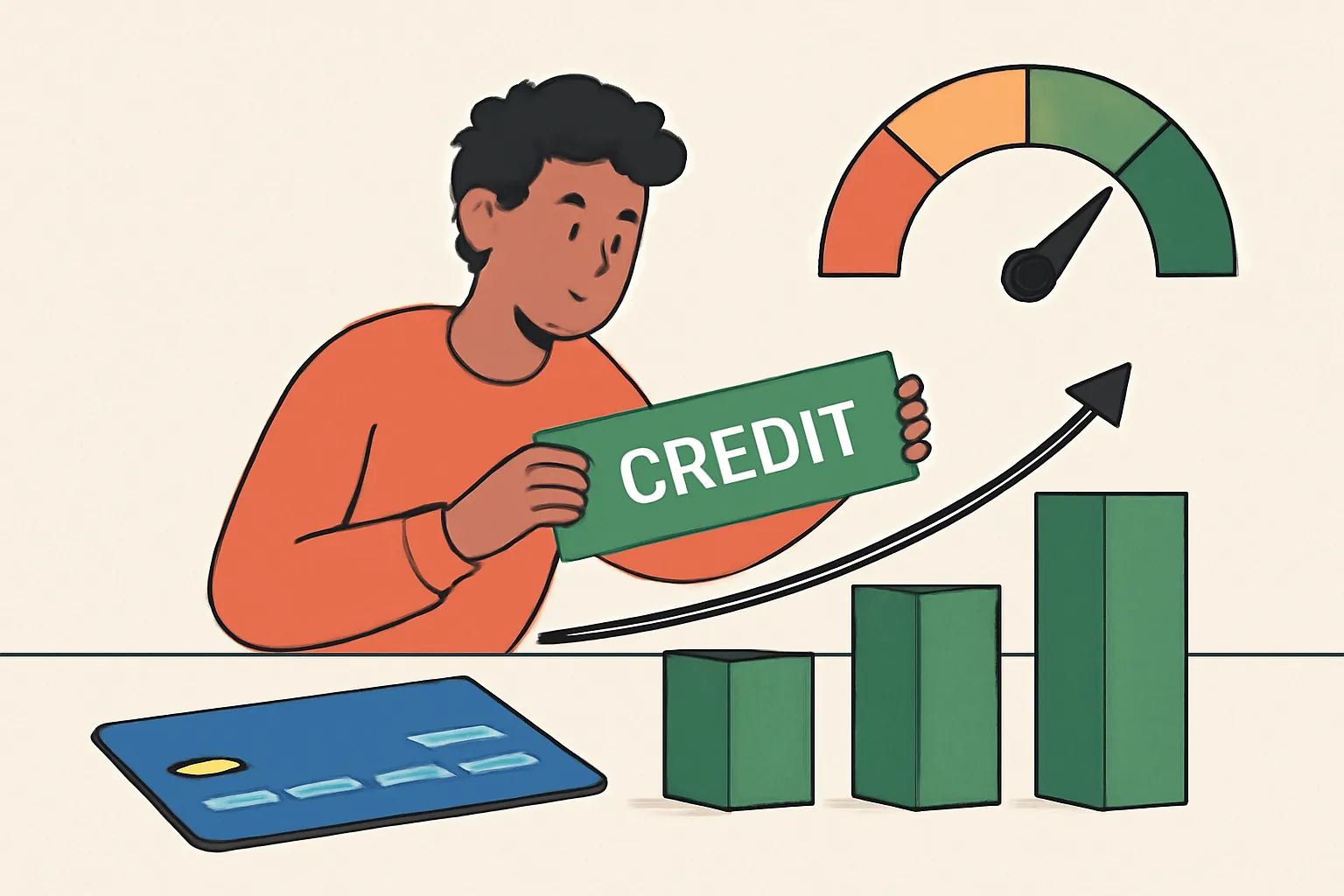
Building credit from scratch in 2025 isn’t just possible—it’s predictable when you follow a structured plan. Whether you’re new to the U.S., recently turned 18, or rebooting after years of being “credit invisible,” you can establish a strong credit profile without debt spirals, gimmicks, or guesswork. This long-form guide lays out a step-by-step blueprint to go from zero to solid, based on how credit scoring and lender practices work today.
You’ll learn how to open your first tradelines, build positive data quickly, avoid traps, and position yourself for bigger goals—like qualifying for a mortgage, leasing an apartment without massive deposits, or getting a low-rate auto loan. We’ll cover the latest 2025-relevant insights, including how FICO and VantageScore handle thin files, how rent and utility data can help, and where BNPL fits into the picture. We’ll also share practical scripts, spending strategies, and timelines you can copy.
Why Building Credit from the Ground Up Matters in 2025
In the U.S., your credit profile is a financial passport. It can affect interest rates, rental approvals, insurance premiums, cell plans, security deposits, and sometimes even job prospects. If you have no credit file, lenders can’t assess risk—so they either deny you, charge higher rates, or require a cosigner. In short: no data, no leverage.
Fortunately, modern scoring models and reporting options make it easier than ever to start a credit history from zero. With a few strategic accounts and consistent habits, most newcomers can generate a score within 30–90 days and build to “good” or “very good” territory in six to twelve months. Your goal is simple: create a stable pattern of on-time payments and low credit utilization across one to three tradelines—then let time do its compounding work.
How Credit Scores Work in 2025 (And What’s Different)
FICO vs. VantageScore: Two Lenses, Same Big Idea
Most lenders use FICO. Some use VantageScore. You might see slightly different numbers, but the logic is the same: both want to predict your likelihood of paying your bills on time.
- FICO (including FICO 8, 9, and 10T): Widely used by banks and auto lenders. FICO 10T incorporates trended data (like balances over time) but the fundamentals remain: pay on time, keep balances low, avoid too many new accounts at once.
- VantageScore 3.0 and 4.0: Heavily used by free credit apps and some lenders. VantageScore often generates a score with a thinner file than some FICO versions, so you may see a score appear earlier here.
What Factors Drive Scores?
- Payment history (largest factor): A single 30-day late payment can bruise your score for years. Avoid lates at all costs.
- Credit utilization: The percentage of your limits you use. Keep reported balances below 10% for best results. Under 30% is okay; under 10% is excellent.
- Age of credit: The average and oldest account ages. This grows slowly and rewards patience.
- Mix: A blend of revolving (credit cards) and installment (loans) can help.
- New credit: Too many recent accounts or hard inquiries can temporarily dip your score.
Thin Files and Alternative Data in 2025
In 2025, lenders and bureaus are more open to alternative data for people with “thin files.” This includes rent reporting, utility bills, cell phone payments, and BNPL (buy now, pay later) in some cases. While not all lenders weigh alternative data equally, it can accelerate your progress—especially in the first 6 months when your file is sparse.
The 2025 Step-by-Step Blueprint to Establish Credit from Zero
The plan below is designed to keep costs low, limit risk, and build meaningful history fast. It assumes you’re starting with no traditional credit accounts.
Week 1: Set Up Your Foundation
- Stabilize your identity and address: Use a consistent legal name and a stable mailing address. Lenders and bureaus match data based on identifiers like SSN/ITIN, date of birth, and address.
- Get your reports: Pull your free credit reports from all three bureaus (Experian, Equifax, TransUnion). If you’re truly new, you’ll likely see “no file.” If there’s data, verify it’s accurate.
- Open a checking and savings account at a credit union or bank. This helps with autopay and builds internal relationships that can lead to starter products.
- Check ChexSystems or similar (banking history) if you had issues with overdrafts in the past. Fixing banking records now prevents denials on secured cards.
- Set up bill autopay for essentials (phone, internet, utilities) and note due dates. We’ll route some through your first credit card later.
Weeks 2–4: Open Your First Tradeline
- Apply for a secured credit card with a reputable issuer or a local credit union. Start with a deposit of $200–$500. Choose a card that reports to all three bureaus.
- If eligible, consider a student card or a starter unsecured card. If you’re declined, secured is still perfect.
- Set autopay to pay the full statement balance every month. Never carry a balance to “build credit”—that’s a myth that just costs interest.
- Make 1–3 small purchases monthly (e.g., a streaming subscription or cell bill) so the card reports activity.
Months 2–3: Use Your Card the Right Way
- Target utilization under 10% on your statement date, not just after the due date. If your limit is $300, try to have $0–$29 reporting on your statement.
- Pay mid-cycle once or twice if needed. This keeps your reported balance low even if you spend more during the month.
- Watch your first score appear within 30–90 days. Many people see a VantageScore first, then FICO.
Months 3–6: Add a Second Data Stream
To speed up thin-file growth, add one of these:
- Credit builder loan (installment): Small “forced savings” loan (e.g., $300–$1,000) where your payments are saved and returned at the end. Reports each month and builds credit mix.
- Authorized user: Get added to a trusted family member’s low-utilization, long-history card. Ensure the issuer reports AUs to all bureaus and that there are no past late payments on that card.
- Rent reporting: Have your on-time rent payments reported. Many landlords and third-party services support this in 2025.
Important: Don’t overdo it. Two to three tradelines total (with at least one revolving and one installment) are enough to grow fast without inquiry overload.
Months 6–12: Graduate and Strengthen
- Request a credit limit increase (CLI) on your secured or starter card after 6 months of perfect payments. Some cards graduate to unsecured and return your deposit.
- Consider a second card only if your utilization is hard to manage or you need more flexibility. Another $500–$2,000 limit can improve your utilization math.
- Keep every account positive: No late payments, no returned payments. One late can set you back 12–24 months.
- Maintain low reported balances and let your average age of accounts grow.
Year 2 and Beyond: Let Time Compound
- Keep your oldest accounts open. Age matters. Closing your first card can hurt average age and utilization headroom.
- Before major applications (auto, mortgage), keep six months free of new accounts and minimize hard inquiries.
- As your profile grows, your offers improve: lower APRs, higher limits, better rewards. Take them only if they align with your budget and goals.
Credit-Building Tools: What to Use, What to Avoid
Secured Credit Cards
Best for: true beginners, recent immigrants, or those rebuilding. Look for:
- Reports to all three bureaus
- Reasonable annual fee or none
- Path to graduation and deposit return
Use for small recurring charges; pay in full. Never let a secured card go 30 days late—it defeats the purpose.
Credit Builder Loans
These are installment loans where your payments are saved and returned when you’ve “paid off” the loan. Great for creating credit mix and on-time payment history. Choose a short term (6–12 months) with a manageable monthly payment.
Authorized User Status
When done right, this can add age, positive payment history, and low utilization to your file. Key conditions:
- The card has no late payments
- The issuer