
Why Choosing to Live Below Your Means Builds Lasting Wealth
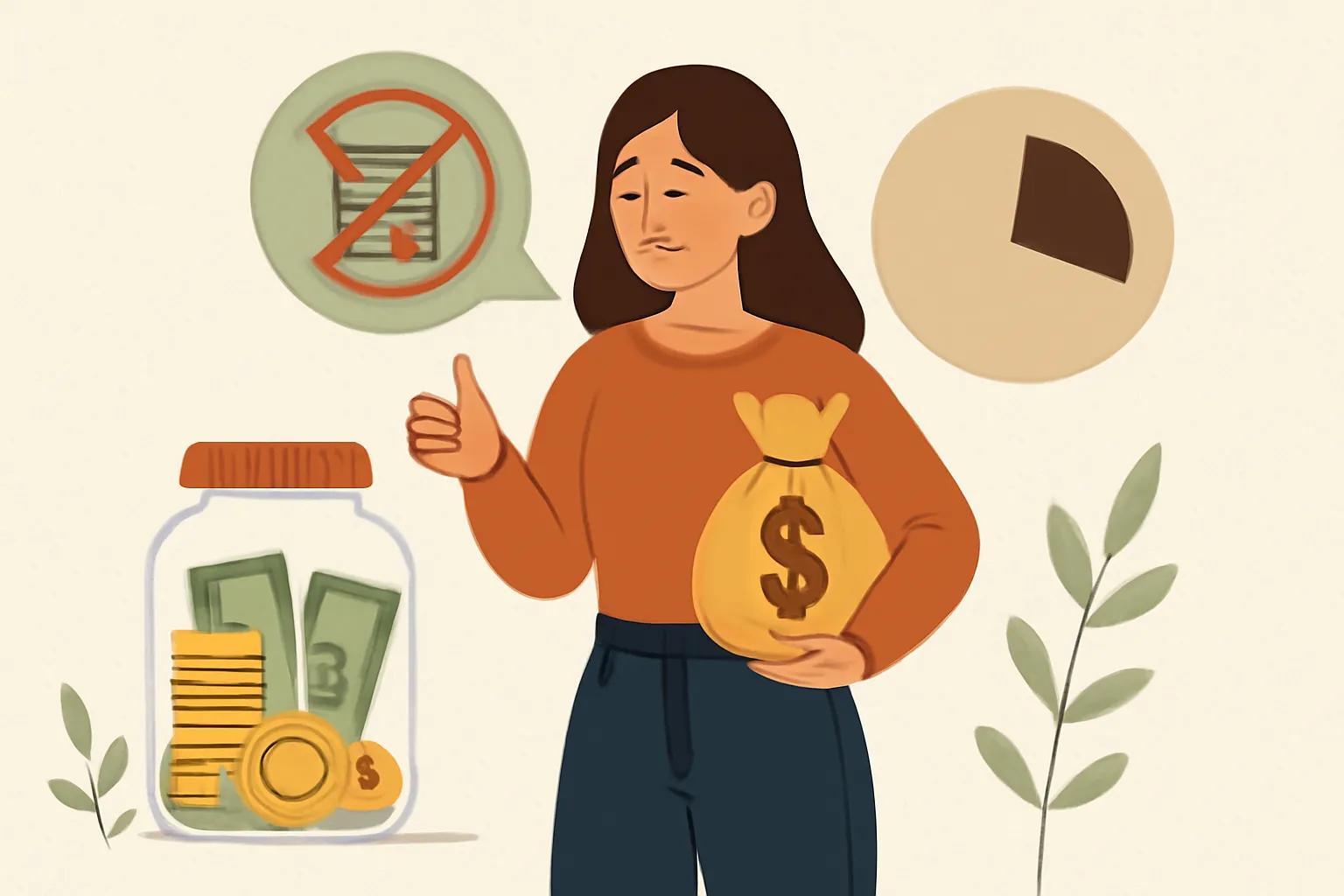
Living below your means is the quiet engine that powers long-term financial independence. It’s not flashy, and it doesn’t promise overnight riches. Instead, it offers something far more durable: control, resilience, and options. When you deliberately spend less than you earn—what some call living beneath your means, intentional frugality, or below-your-means living—you carve out surplus cash that can be saved, invested, and used to buy back your time and freedom.
Many people assume that wealth comes from a big salary, but the truth is simpler and more accessible: consistent surplus. A modest income paired with strong habits can outperform a high income paired with high spending. Wealth is not only what you make; it is—crucially—what you keep. This article offers a comprehensive guide to the mindset, strategies, and 15 practical habits that make living under your means not just possible, but sustainable and even enjoyable.
What It Really Means to Live Beneath Your Means
To live beneath your means is to intentionally keep your expenses well below your income, freeing up cash for savings, investing, debt payoff, and future goals. It is not deprivation. It’s alignment: directing money toward what you value and cutting what you don’t. It’s not about never having a latte; it’s about making sure that latte doesn’t crowd out your emergency fund, your retirement, or your peace of mind.
- Spending less than you earn is the core practice. The gap between income and expenses is your wealth engine.
- Purposeful prioritization—you can love travel or gourmet cooking and still practice frugality by trimming elsewhere.
- Repeatable systems—automations, routines, and defaults that make good decisions the easy decisions.
- Flexibility—adjusting your lifestyle when life changes: a new job, a child, a move, a market downturn.
Think of it as sustainable thrift: a balanced approach that keeps your life rich in meaning while your bank accounts grow richer in numbers.
The Psychology of Spending Less Than You Earn
We are not purely rational with money. Marketers know it; social media amplifies it; our brains confirm it. Building a lifestyle that sits comfortably under your means requires understanding a few psychological dynamics:
- Hedonic adaptation: We quickly get used to new comforts. That new car thrill fades. Awareness helps you resist “just one more upgrade.”
- Social comparison: Keeping up with friends or influencers can quietly raise your spending. Choose values-based spending instead.
- Decision fatigue: Endless choices drain willpower. Create rules and automations so you decide once, benefit many times.
- Present bias: We discount future rewards. Counter this by making the future feel real—name your investments “Freedom Fund” or “Down Payment.”
By designing your environment—automated transfers, default savings, fewer temptations—you make below-your-means living the automatic outcome, not a daily test of willpower.
15 Habits That Make Living Under Your Means Easy and Effective
The following habits are the practical toolkit. You don’t need all 15 at once; start with two or three, layer more in over time, and let compounding do the heavy lifting.
-
Habit 1: Build a Values-Centered Spending Plan
A budget is a permission slip to spend on what you love and cut what you don’t. Move away from rigid spreadsheets you’ll abandon and toward a simple plan aligned with your values.
- Pick 2–3 priority categories you care about (e.g., family time, travel, fitness) and protect them.
- Designate clear guardrails for everything else: housing, transportation, food, subscriptions.
- Use rules of thumb—like 50/30/20 or 60/20/20—to start, then customize to your circumstances.
When your plan feels like a reflection of who you are, spending less than you earn becomes natural, not restrictive.
-
Habit 2: Pay Yourself First with Automatic Transfers
Automation beats motivation. Set up transfers the day you’re paid: to savings, investing, and debt payoff accounts. If you don’t see the money in checking, you won’t be tempted to spend it.
- Automate emergency fund contributions until you reach 3–6 months of essential expenses.
- Set up automatic retirement contributions; increase them annually or with every raise.
- Automate extra principal payments on high-interest debt.
Automatic systems make below-your-means living your default mode.
-
Habit 3: Right-Size Your Big Three: Housing, Transportation, Food
Most overspending hides in the big categories. A few right-sizing moves here save more than a dozen coupon-clipping victories.
- Housing: Aim to keep housing costs well below the common “rule” if possible. Consider roommates, house hacking, moving to a lower-cost area, or negotiating rent.
- Transportation: Buy reliable used vehicles, pay cash if you can, and avoid rapid depreciation. Walk, bike, or use public transit when practical.
- Food: Meal plan, batch cook, and anchor your diet on staples. Restaurant spending is a lifestyle lever—enjoy it intentionally, not default daily.
When the big three are lean, you naturally live beneath your means without micromanaging smaller expenses.
-
Habit 4: Use a 24-Hour Rule for Discretionary Purchases
Impulse purchases are budget leaks. Install a delay: wait 24 hours (or longer) before buying anything non-essential. Most desires fade; the ones that persist are truly valued.
- Create a “cooling-off” wishlist—if an item still matters after a week, revisit it.
- Unsubscribe from “flash sale” emails and app notifications that spark urgency.
This simple friction supports spending under your means with minimal effort.
-
Habit 5: Practice One-In, One-Out Minimalism
Stuff expands to fill the space available. Use a one-in, one-out rule for categories like clothing, gadgets, and decor. This curbs clutter and consumption.
- Sell or donate what you replace; use the proceeds to offset new costs or boost savings.
- Favor high-quality, multi-use items that last longer and reduce replacement frequency.
Less stuff often means more cash flow and more clarity.
-
Habit 6: Create Sinking Funds for Irregular Expenses
Annual insurance premiums, car repairs, holidays—these “surprises” aren’t surprises. Sinking funds prevent them from derailing your finances.
- List irregular expenses; divide by 12; auto-save monthly into dedicated buckets.
- Use separate high-yield savings subaccounts named for each goal.
When expenses arrive, the cash is there—and you continue to live under your means without panic.
-
Habit 7: Negotiate and Audit Recurring Bills
Recurring bills compound silently. Review them every six months: internet, phone, insurance, streaming, and subscriptions.
- Call providers and ask for promotional rates or loyalty discounts.
- Bundle strategically, but beware of hidden fees and lock-ins.
- Eliminate overlap: do you need five streaming services, or just one at a time?
Each negotiated dollar is a dollar you keep—forever improving your ability to spend less than you earn.
-
Habit 8: Build a Robust Emergency Fund
An emergency fund is a cushion between you and chaos. Aim for 3–6 months of essential expenses; more if your income is variable.
- Store it in a separate, high-yield savings account to reduce temptation and earn interest.
- Use only for true emergencies: job loss, medical expenses, urgent repairs.
This buffer protects your investments and prevents debt, anchoring a lifestyle that sits comfortably beneath your means.
-
Habit 9: Choose Simple, Low-Cost Investing
After building cash buffers and paying high-interest debt, funnel surplus into low-cost index funds or diversified portfolios aligned with your risk tolerance.
- Favor low fees; small differences in expense ratios add up enormously over decades.
- Automate contributions; ignore market noise; rebalance periodically.
Investing is where living under your means turns into wealth that works while you sleep.
-
Habit 10: Embrace Skilled Frugality, Not Cheapness
Frugality is proactive. It’s about maximizing value, not minimizing joy. Cheapness cuts indiscriminately; frugality cuts waste.
- Learn DIY basics: minor home maintenance, simple car care, sewing, cooking.
- Borrow or rent tools; buy secondhand where it truly doesn’t matter.
Over time, frugal skills reduce recurring costs and support a life comfortably below your means.
-
Habit 11: Align Your Social Life with Your Financial Goals
Your community shapes your choices. Seek friends and activities that don’t require constant spending.
- Host potlucks, game nights, hikes, or library events instead of pricey outings.
- Be honest about your goals; real friends will respect boundaries.
When your social defaults are low-cost, spending under your means happens almost automatically.
-
Habit 12: Master the Raise: Save More, Not Spend More
Every raise is an opportunity to widen your surplus. Instead of upgrading your lifestyle, upgrade your savings rate.
- Adopt a “raise rule”: save 50–100% of any income increase for the first year.
- Direct raises toward retirement, future down payments, or debt payoff.
Outrunning lifestyle creep is the essence of below-your-means living on a growing income.
-
Habit 13: Use Time-Rich, Money-Smart Routines
Routines beat one-off heroics. Build weekly and monthly systems that lower costs without constant thought.
- Meal prep Sundays; grocery list systems; rotating menus.
- Monthly “money date” to review accounts, goals, and upcoming expenses.
- Quarterly declutter and sell unused items.
These routines bake intentional underspending into your life.
-
Habit 14: Protect Yourself with Smart Insurance and Maintenance
Frugality without protection is fragile. Carry appropriate insurance and maintain what you own.
- Health, renters/homeowners, auto, disability, and term life if others depend on your income.
- Preventive maintenance: change filters, schedule checkups, service your car.
Prevention and protection keep you comfortably living beneath your means even when life throws curve